

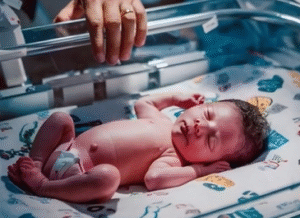
Premature Baby Care at Home: What Every Dubai Parent Needs to Know
Bringing your premature baby home should feel like a celebration. And it is — but it also comes with a quiet, persistent worry that most parents don’t talk about enough.
What if something goes wrong? Am I monitoring enough? Is my baby drinking enough milk ?
If you’re in Dubai — whether you live in The Springs, Deira, or Al Barsha — and you’ve recently brought your preemie home, this guide covers the key things you need to know to give your baby the best possible start.
Understanding Corrected Age
The first thing most parents of premature babies learn is the concept of corrected age. If your baby was born 8 weeks early, their developmental milestones should be tracked from their expected due date — not their birth date. This means a 4-month-old premature baby may only be developmentally behaving like a 2-month-old, and that is completely normal.
Expecting too much too soon creates unnecessary anxiety. Understanding corrected age helps you celebrate the real milestones without comparing your baby unfairly to full-term infants.
Feeding Your Premature Baby
Feeding is often the most stressful aspect of premature baby care at home. Preemies have smaller stomachs, tire easily during feeding, and may struggle with the coordination required for breastfeeding or bottle feeding.
Breast milk is the gold standard — it contains antibodies and growth factors specifically beneficial for premature babies. If direct breastfeeding isn’t possible yet, expressing and cup or tube feeding is a valid and important interim solution. A lactation consultant or home nursing professional can guide you through establishing a sustainable feeding rhythm.
Temperature and Environment
Premature babies have less body fat and less ability to regulate their own temperature. Dubai’s air-conditioned environments can actually put preemies at risk of getting too cold indoors. Keep room temperatures between 24–26°C, dress your baby in layers, and continue skin-to-skin contact as much as possible — it’s one of the most powerful thermoregulation tools you have as a parent.
Signs to Watch For
Seek immediate medical attention if your baby shows: bluish skin colour (cyanosis), difficulty breathing or very fast breathing, extreme difficulty feeding or refusing to feed, prolonged lethargy or unresponsiveness, or a temperature below 36.5°C or above 38°C.
For families in Dubai, emergency services are accessible, but having a home nurse who knows your baby’s baseline can be the difference between a panicked guessing game and a confident, informed response.
Developmental Support at Home
Early intervention makes a real difference for premature babies. Gentle physiotherapy, sensory stimulation appropriate to your baby’s corrected age, and consistent developmental activities all contribute to better long-term outcomes. Ikshanaa Home Health Care provides developmental support for premature babies across Dubai — including Jumeirah, Business Bay, and Oud Metha — helping families build a structured routine that supports healthy growth from day one at home.
Call to Action
You brought your baby home — now let us help you keep them thriving. Ikshanaa Home Health Care specialises in post-NICU and premature baby care in Dubai. Reach out today to schedule a home visit and get the professional support your family deserves.