

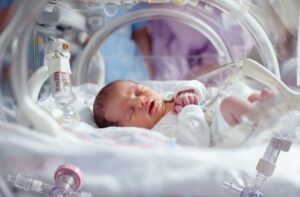
Breathing Issues in NICU Babies: Warning Signs Parents Should Not Ignore (Dubai Guide)
Bringing your baby home after a NICU stay is a moment of relief — but it can also come with new worries, especially when it comes to breathing.
Many NICU babies continue to have mild breathing irregularities after discharge. While some variations are normal, others may require immediate attention. Understanding the difference can help parents feel more confident and act early when needed.
Families across Dubai — including areas such as Nad Al Hamar, Nad Al Sheba, Jumeirah, Dubai Hills, and Arabian Ranches — are increasingly choosing structured newborn care at home for added safety, comfort, and medical support after NICU discharge.
Why Breathing Needs Close Attention After NICU
Babies who have spent time in the NICU often have developing lungs, especially if they were born prematurely or required respiratory support.
Because of this, they may:
- Breathe faster than usual
- Show mild effort while breathing
- Be more sensitive to infections
In many cases, these improve with time but close monitoring during the early weeks at home is extremely important.Respiratory rate more than 60 is significant. Normal respiratory rate for a newborn is 40 to 60 breath per minute.
Common Breathing Concerns in NICU Babies
Parents may notice changes that can feel worrying at first.
1. Fast Breathing (Tachypnea)
Some babies breathe faster than normal, especially after feeding or crying. Occasional fast breathing can be normal, but persistent rapid breathing should be assessed by a healthcare professional.
2. Chest Retractions
This happens when the skin between the ribs pulls inward while breathing. It may indicate that the baby is working harder to breathe.
3. Noisy Breathing
Grunting, wheezing, or unusual breathing sounds can sometimes indicate airway or lung concerns.
4. Oxygen Support at Home
Some NICU graduates, particularly babies with bronchopulmonary dysplasia (BPD), may still require oxygen support after discharge.
5. Increased Risk of Respiratory Infections
Premature and medically fragile babies can be more vulnerable to respiratory infections during the early months.
Warning Signs Parents Should Never Ignore
While some breathing variations are expected, certain symptoms require urgent medical attention:
- Very fast or labored breathing
- Bluish lips or skin
- Long pauses in breathing
- Persistent chest retractions
- Baby appearing unusually weak or lethargic
If you notice any of these signs, seek medical help immediately.
Why Breathing Changes Can Be Difficult to Recognize
One of the biggest challenges for parents is that breathing issues can appear subtle.
A baby may look calm or even asleep while still showing signs of respiratory distress that are easy to miss without experience.
This is why many parents in communities such as Mirdif, Dubai Marina, and Palm Jumeirah choose professional newborn monitoring at home during the first few weeks after discharge.
Early monitoring helps identify small changes before they become serious.
How Breathing Issues Are Managed
Treatment depends on the underlying cause and severity of the issue. In many cases, supportive care and monitoring are sufficient.
Management may include:
- Monitoring breathing patterns and oxygen levels
- Maintaining proper feeding positions
- Reducing exposure to infections
- Creating a calm, comfortable environment
- Timely medical reviews when needed
With proper care and follow-up, many babies gradually develop stronger and more stable breathing patterns.
The Role of Home-Based Newborn Care in Dubai
Many families now prefer doctor-led newborn care at home to reduce unnecessary hospital visits while ensuring continuous monitoring and clinical oversight.
Professional home healthcare support can help with:
- Monitoring breathing and vital signs
- Identifying early warning signs
- Feeding and positioning support
- Parent guidance and reassurance
- Coordinating medical care when required
For families living in areas like Jumeirah Golf Estates, Emirates Hills, and Al Barari, home-based newborn care also offers greater privacy, convenience, and continuity of care.
Supporting Parents Through This Phase
It’s completely natural to feel anxious about your baby’s breathing after a NICU experience.
Remember:
- You are not expected to know everything immediately
- Trusting your instincts is important
- Early support can make a significant difference
With the right guidance, most parents become more confident in recognizing what is normal and what needs attention.
Final Thoughts
Breathing concerns in NICU babies can feel overwhelming, but many issues are manageable with proper monitoring and timely intervention.
Paying attention to early signs — and having access to professional support — can help ensure safer recovery and healthy development during the transition home.
Looking for Doctor-Led NICU Follow-Up Care at Home in Dubai?
Ikshanaa Healthcare provides structured newborn and post-NICU care across Dubai, including:
- Respiratory monitoring
- Feeding support
- Vital sign assessment
- Jaundice monitoring
- Neonatal nurse visits
- Doctor-supervised follow-up care
Whether you are based in Jumeirah, Nad Al Sheba, Dubai Hills, or surrounding communities, our DHA-licensed clinical team brings hospital-grade newborn care into the comfort of your home.
Contact Ikshanaa Home Healthcare today to discuss personalised newborn care and post-NICU support in Dubai.