

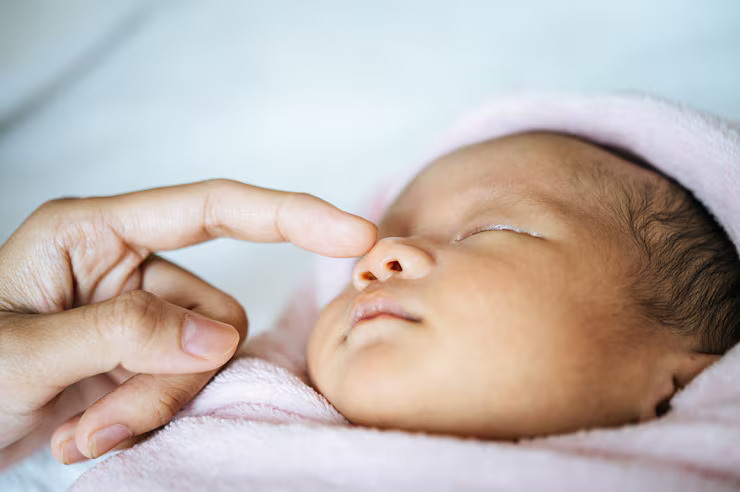
Jaundice is common in newborn babies, especially in the first week of life. It usually appears as a yellowing of the skin or eyes. In most cases, jaundice is mild and goes away on its own. But sometimes, it can become serious and needs quick medical attention. Understanding the warning signs can help parents act early and protect their baby’s health.
In this blog, we will explain the symptoms that require urgent care, what causes jaundice, and when to seek jaundice treatment for newborn through a Pediatric doctor on call Dubai or a Home baby doctor Dubai.
Newborns develop jaundice when there is too much bilirubin in their blood. Bilirubin is a yellow pigment that forms when red blood cells break down. Because a newborn’s liver is still developing, it may not remove bilirubin quickly.
Common causes include:
While mild jaundice is normal, severe jaundice can be harmful if not treated on time.
Early treatment can prevent complications. Here are the warning signs that need immediate medical care.
If the yellow color starts on the face and spreads to the chest, stomach, arms, or legs within 24–48 hours, it may indicate rising bilirubin levels. Rapid spreading is one of the strongest signs that a baby needs urgent evaluation.
A mild yellow tone is normal, but a deep, golden, or bright yellow color is not. Darker yellow shades usually point to higher bilirubin levels. If you notice the skin becoming more yellow each hour, contact a doctor immediately.
When the whites of the eyes turn yellow, it shows that bilirubin is building up in the body. This often appears in moderate to severe jaundice and should not be ignored.
A newborn with severe jaundice may:
Poor feeding can make jaundice worse because bilirubin leaves the body through stools. If a newborn is feeding less, seek medical care quickly.
If a baby is too sleepy, hard to wake, or does not respond to voice or touch, it may be a sign of severe jaundice. This is an emergency sign because high bilirubin can affect the brain.
A sharp, unusual, or high-pitched cry is not normal in newborns. This can indicate brain irritation caused by very high bilirubin levels. Immediate treatment is needed to prevent long-term complications.
If a newborn arches the back, stiffens the body, or seems uncomfortable when touched, it may be a sign of advanced jaundice. This needs emergency medical care.
A healthy newborn should have 6–8 wet diapers per day. If your baby has fewer wet diapers, dry mouth, or sunken eyes, dehydration may be worsening the jaundice.
Doctors may recommend:
Quick treatment helps prevent complications and keeps your baby safe.
Jaundice is common in newborns, but knowing the danger signs is important. Rapid yellowing, poor feeding, extreme sleepiness, or unusual crying should never be ignored. Early medical help can prevent serious health issues.
For safe and reliable care at home, parents can reach out to Ikshanaa Home Healthcare, where trained professionals offer guidance and treatment support for newborns right at your doorstep.
Yes, mild jaundice is common in the first week. But if symptoms worsen or appear early, a doctor should check the baby.
Jaundice becomes dangerous when bilirubin rises quickly and affects feeding, sleep, or behavior.
Most babies receive phototherapy, feeding support, or IV fluids as needed.
Mild jaundice can improve with good feeding. For safe evaluation, parents can call a Home baby doctor Dubai.
You should seek immediate help—especially if the baby is very sleepy, feeding poorly, or turning more yellow.
Ikshanaa Home Health Care
Typically replies within minutes
Any questions related to What Are the Symptoms of Jaundice in Newborns That Require Urgent Treatment??
WhatsApp Us
🟢 Online | Privacy policy
WhatsApp us